



7 Email Marketing Trends You Can’t Afford to Miss in 2026
2026.01.09
Email marketing has been a cornerstone of digital marketing for decades, yet it continues to evolve rapidly. From the growing influence of artificial intelligence to the increasing importance of first-party data, the trends shaping 2026 will challenge marketers to adapt faster than ever before.
Want to stay ahead of the competition? Explore this guide to discover the key email marketing trends that every small and mid-sized business, marketing team, and email professional should be preparing for today.
1. AI-Powered Email Strategy and Personalization
Artificial intelligence is no longer a disruptive newcomer. It has become a core component of modern email marketing platforms and will play an even more significant role in 2026.
AI capabilities now extend far beyond content generation. While marketers are already familiar with AI copywriting assistants and image generation tools, the next evolution of AI lies in strategic decision-making.
AI can assist with audience segmentation, customer data analysis, and even the creation of complete email workflows, making it an essential tool for modern marketing teams. Advanced AI solutions also enable predictive targeting, helping brands identify customers who are at risk of churning as well as high-value customers with strong revenue potential.
In addition, AI is driving the next generation of personalization. By combining real-time behavioral data, purchase history, browsing activity, geographic information, and demographic insights, AI can deliver highly relevant product recommendations and content tailored to each customer.
Examples of effective personalized campaigns include unboxing-style emails and annual customer recap emails. These campaigns not only provide meaningful and engaging experiences but also encourage social sharing and user-generated content (UGC).
Additional AI applications in email marketing include:
Send-Time Optimization – Automatically identify the best delivery times based on historical open and click-through rates.
Intelligent Customer Segmentation – Create audience groups using demographic characteristics and behavioral data.
Automated A/B Testing – Automatically split audiences, test multiple versions, and identify the highest-performing email content.

2. The Rise of Human-Centered Brand Authenticity
In 2026, highly polished AI-generated content will coexist with authentic, human-created storytelling.
As more brands adopt similar AI tools, marketing messages risk becoming increasingly homogeneous. For small and medium-sized businesses, especially those built around family values, craftsmanship, or community connections, showcasing behind-the-scenes moments, sharing authentic brand stories, and featuring employees or founders can become powerful differentiators.
Building a brand that feels approachable, relatable, and human helps strengthen customer relationships, improve brand recall, and increase trust—all of which contribute to long-term revenue growth.
According to research from GWI (GlobalWebIndex), 46% of consumers want brands to appear authentic. This sense of authenticity is built through transparency, consistency, honesty, and genuine communication.
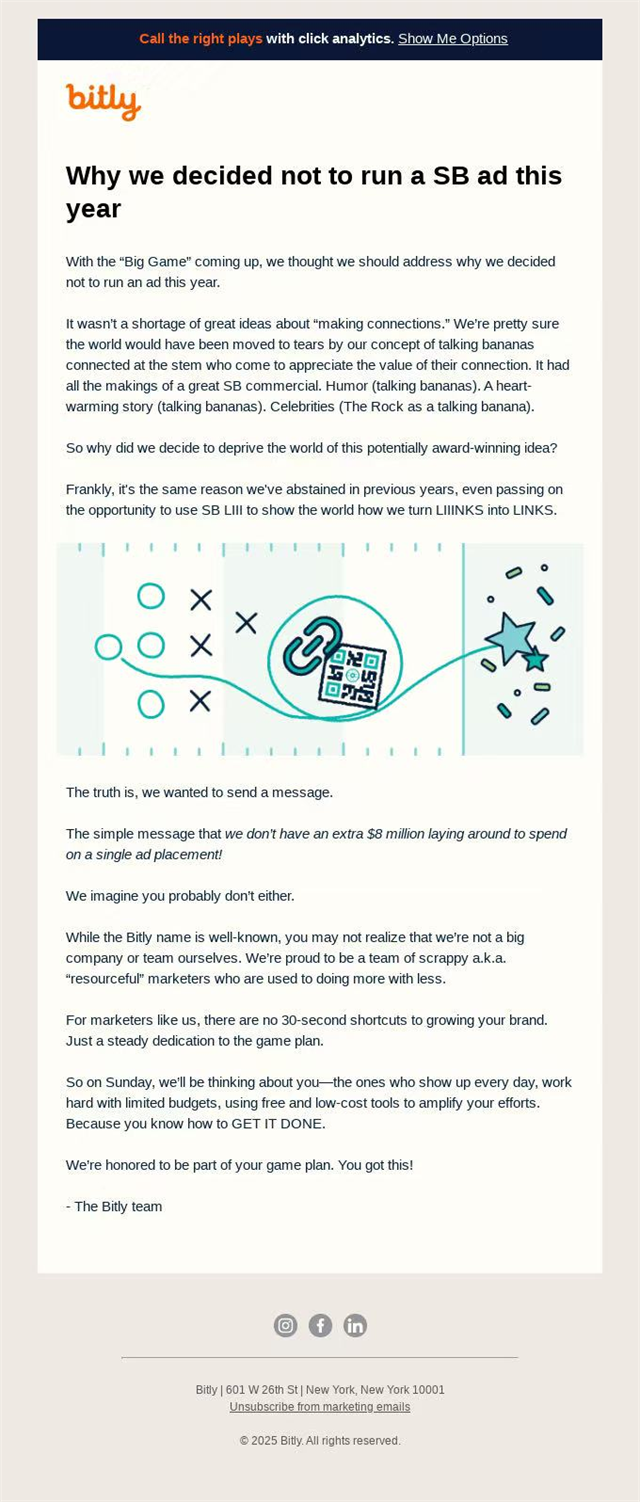
A strong example is Bitly, whose email campaigns successfully communicate the company's values while reinforcing its unique brand identity.
3. Customer Lifecycle Automation Becomes Essential
The foundation of a successful email marketing strategy is maintaining meaningful engagement throughout every stage of the customer journey. Lifecycle automation makes this easier than ever.
Automated email campaigns deliver the right message at the right time, with personalized content tailored to customer behavior and preferences. As a result, automated emails consistently outperform traditional campaigns in both engagement and conversion.
High-performing lifecycle automation workflows include:
Welcome Email Series
Product Onboarding Sequences
Abandoned Cart and Browse Abandonment Recovery Emails
Upsell and Cross-Sell Campaigns
Product Recommendation and Restock Notification Emails
Customer Re-Engagement Campaigns
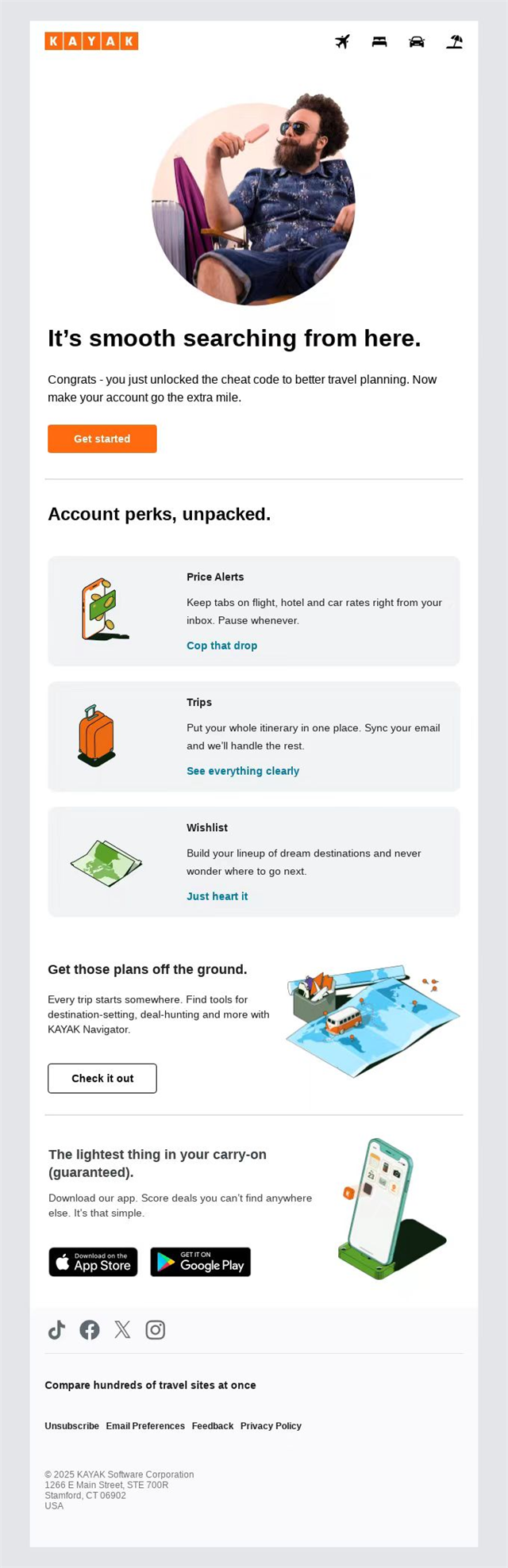
Travel booking platform Kayak provides an excellent example of effective welcome emails. Its onboarding sequence clearly communicates platform benefits while incorporating multiple call-to-action (CTA) buttons that encourage deeper user engagement.
To maximize the value of marketing automation in 2026, brands should continuously test, optimize, and integrate email platforms with other marketing channels and business systems.
4. First-Party Data Collection and Preference Management
As the internet moves toward a cookieless future, regulations such as the GDPR and CCPA continue to raise the standard for data privacy and user protection.
For email marketers, prioritizing first-party data collection has become essential for sustainable growth. Rather than relying on third-party tracking, brands are increasingly encouraged to collect information directly from subscribers while providing transparency and control over personal data.
Recommended strategies for 2026 include:
Implement Double Opt-In Subscription Processes to ensure list quality and subscriber intent.
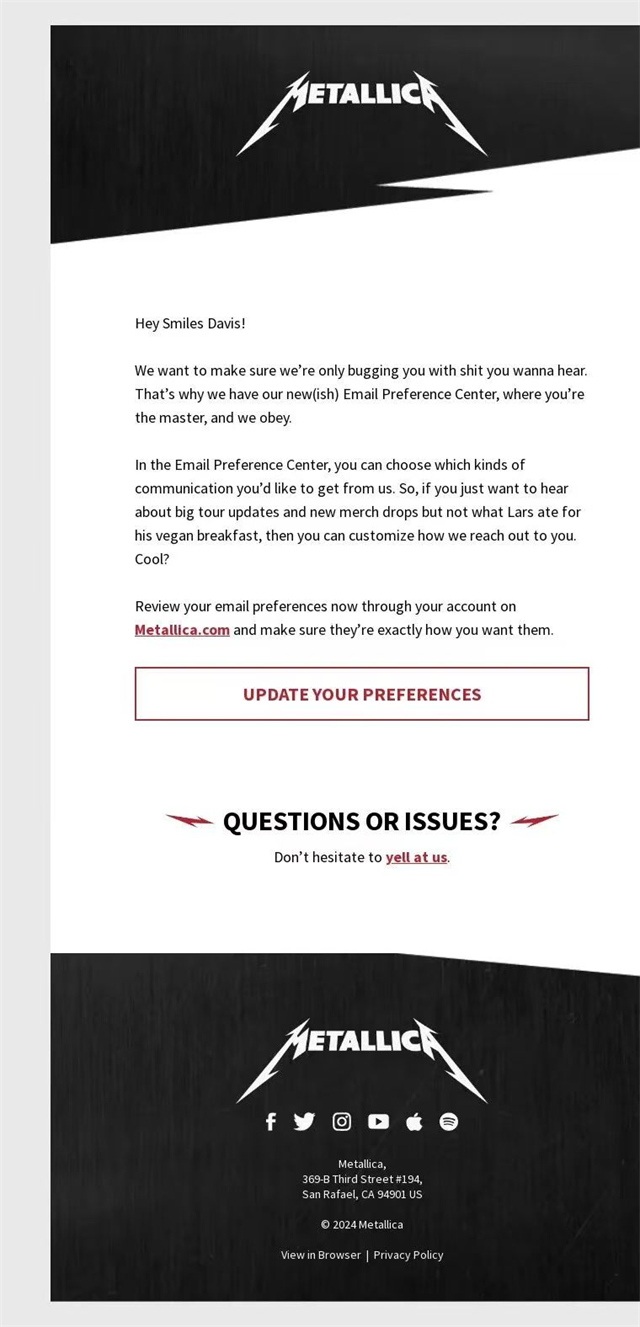
Add a Preference Center Link in Email Footers, allowing subscribers to choose content categories and email frequency.
Deploy BIMI (Brand Indicators for Message Identification), enabling subscribers to see verified brand logos directly within their inbox.
Regularly Encourage Preference Updates to improve personalization and maintain engagement.
These initiatives not only strengthen compliance but also help build trust and long-term customer relationships.
5. Email Authentication Continues to Grow in Importance
Email authentication is no longer optional. Requirements introduced by major providers such as Google and Yahoo have made authentication a fundamental requirement for inbox placement.
SPF (Sender Policy Framework), DKIM (DomainKeys Identified Mail), and DMARC (Domain-based Message Authentication, Reporting & Conformance) are now critical components of any professional email marketing strategy. Without them, brands risk reduced deliverability, spam filtering, and increased vulnerability to phishing attacks.
To maintain strong sender reputation and deliverability performance, marketers should:
Use Custom Sending Domains and Professional Business Email Addresses.
Consider Dedicated IP Addresses when email volume and sending strategies justify separation between transactional and marketing communications.
By implementing proper authentication and reputation management practices, brands can significantly improve inbox placement and campaign performance.
6. Interactive Emails Enter the Mainstream
Interactive email experiences continue to gain momentum and are expected to become even more prevalent in 2026.
Interactive elements increase engagement, improve user experience, and encourage subscribers to spend more time interacting with email content.
Popular interactive email features include:
Surveys, Polls, and Quizzes
Countdown Timers
Embedded Videos
Animated GIFs
Product Carousels
Embedded Forms
Interactive Buttons and Dynamic CTAs
According to Email Love, micro-animations are emerging as a particularly effective design trend. Small animations can dramatically increase visual appeal without adding significant design complexity or file size.
When implemented thoughtfully, interactive content helps transform email from a passive communication channel into a highly engaging customer experience.
7. Bold Minimalism Shapes Modern Email Design
Mobile-first email design continues to influence the future of email marketing.
From larger typography and cleaner layouts to simplified product imagery, many modern design trends are driven by the need to deliver a seamless experience on smaller screens.
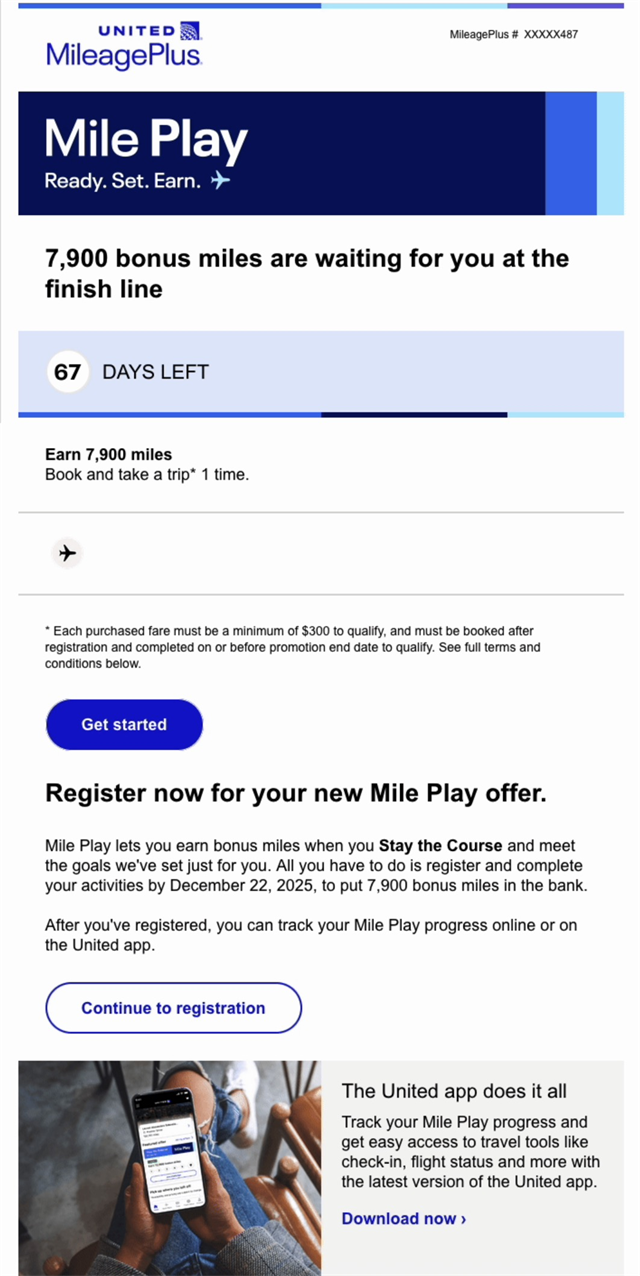
Single-column layouts have become increasingly popular because they improve readability and focus attention on key messages.
To future-proof email campaigns, marketers should follow a "first-screen focus" approach. Since mobile users have limited attention spans and screen space, the most important message should appear immediately upon opening the email.
A strong above-the-fold section typically includes:
A Compelling Hero Image
A Clear and Persuasive Headline
Supporting Subheadline Copy
A Prominent Call-to-Action Button
As mobile usage continues to grow, successful email campaigns are becoming shorter, cleaner, and more focused. This approach not only respects the subscriber's time but also improves message clarity and conversion performance.

Source: EYOO Technology
 Previous